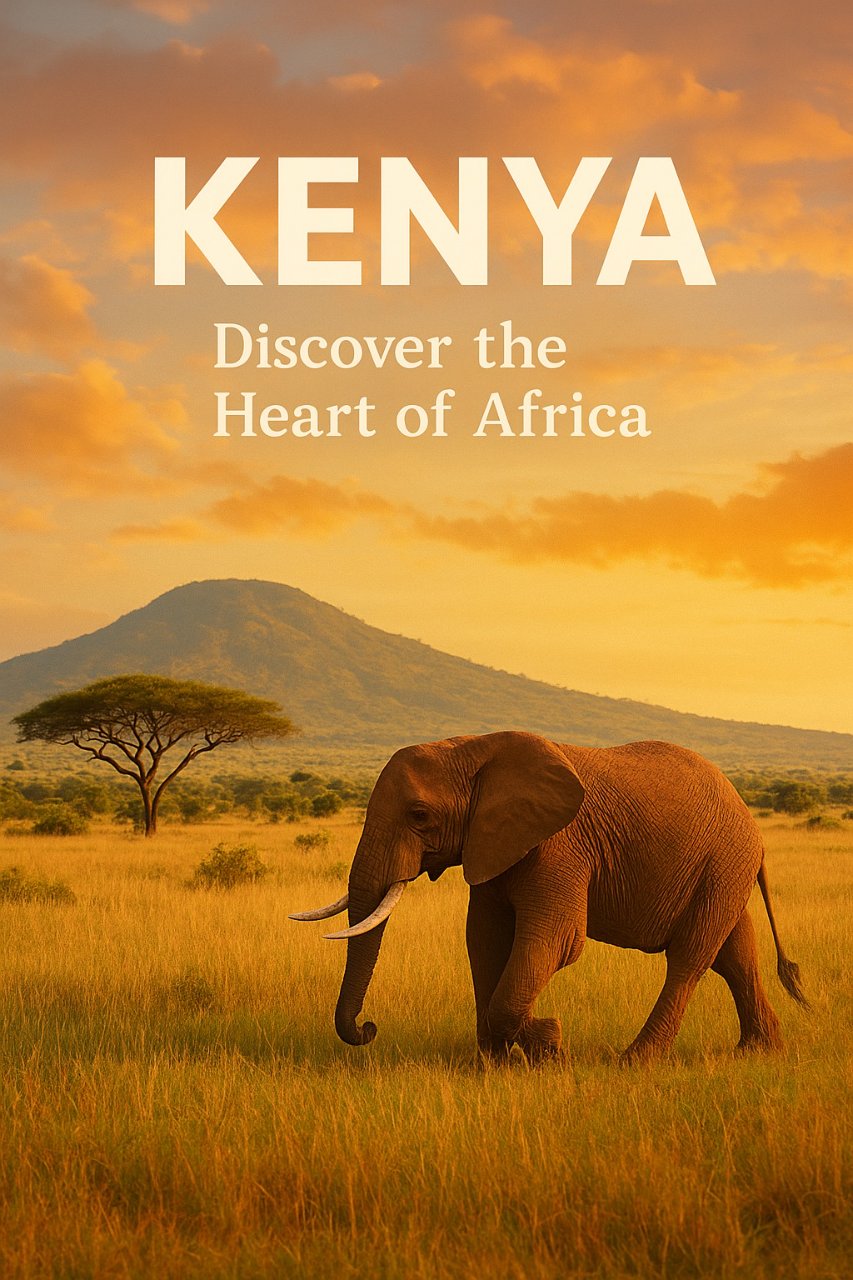
Wildlife and Tour Guiding
- Tourism Department
- WG
- 21 Students
- ODeL
Wildlife guiding is the practice of leading tourists through natural environments such as national parks, game reserves and wildlife conservancies to observe, understand and appreciate wild animals and their habitats.
A wildlife guide provides information about wildlife, ensures tourist safety and promotes environmental conservation.
Main Areas of Wildlife Guiding
Wildlife Identification: Recognizing animals, birds, reptiles and other wildlife species.
Wildlife Behaviour: Understanding animal feeding, mating, migration, hunting and communication.
Wildlife Conservation: Protecting endangered species and their natural habitats.
Wildlife Ecology: Understanding the relationship between animals, plants and their environment.
Tourist Safety: Ensuring visitors follow wildlife safety rules.
Wildlife Interpretation: Explaining wildlife characteristics, behaviour and conservation importance.
Customer Care: Welcoming visitors and providing professional guiding services.
Field Guiding: Conducting game drives, nature walks and wildlife observation activities.
The Big Five Animals
The Big Five are:
African elephant
African lion
African leopard
African buffalo
Black rhinoceros
Examples of Wildlife Destinations in Kenya
Maasai Mara National Reserve
Amboseli National Park
Tsavo East National Park
Tsavo West National Park
Nairobi National Park
Lake Nakuru National Park
Samburu National Reserve
Meru National Park
Qualities of a Good Wildlife Guide
A professional wildlife guide should have:
Good communication skills.
Knowledge of wildlife and nature.
Patience and confidence.
Good observation skills.
Physical fitness.
First aid knowledge.
Customer service skills.
Environmental awareness.
Importance of Wildlife Guiding
Promotes wildlife conservation.
Creates employment opportunities.
Generates tourism revenue.
Educates visitors about nature.
Supports local communities.
Promotes Kenya's tourism industry.
Encourages sustainable tourism.
Wildlife Safety Rules
Never feed wild animals.
Maintain a safe distance from wildlife.
Avoid disturbing animals.
Follow park regulations.
Avoid unnecessary noise.
Do not litter in wildlife habitats.
Follow instructions from guides and park authorities.
Career Opportunities
Wildlife guiding can lead to opportunities in:
Safari tour companies.
National parks and reserves.
Wildlife conservancies.
Safari lodges and camps.
Birdwatching tourism.
Conservation organizations.
Community-based tourism projects.
Conclusion
Wildlife guiding plays an important role in tourism development and environmental conservation. A good wildlife guide combines wildlife knowledge, communication, safety awareness and customer care to provide memorable visitor experiences while protecting nature.
What you'll learn in this course
- Unit 1: WILDLIFE GUIDING AND TOUR GUIDING
- Unit 2: COMMUNICATION SKILLS AND CUSTOMER CARE
- Unit 3: TOURIST ATTRACTIONS AND DESTINATION KNOWLEDGE
- Unit 4: TOUR PLANNING, ITINERARY PREPARATION AND TOUR MANAGEMENT
Units in this course
- 1Unit 1: WILDLIFE GUIDING AND TOUR GUIDING
- 2Unit 2: COMMUNICATION SKILLS AND CUSTOMER CARE
- 3Unit 3: TOURIST ATTRACTIONS AND DESTINATION KNOWLEDGE
- 4Unit 4: TOUR PLANNING, ITINERARY PREPARATION AND TOUR MANAGEMENT
Key dates
Related Courses
More in Tourism Department Tourism Department
Community Based Tourism content creation and entrepreneurship
- January 2027
- 21 Students
Summary: Introduction to Community-Based Tourism Community-Based Tourism (CBT) is a form of tourism where local communities participate in developing, managing,
 Tourism Department
Hospitality Related Studies
- January 2027
- 21 Students
This course introduces learners to the hospitality industry, including hotels, restaurants, accommodation, food and beverage services, housekeeping, and front o
 Tourism Department
Cabin Crew and airline reservation
- January 2027
- 23 Students
CABIN CREW TRAININGUNIT 1: INTRODUCTION TO CABIN CREW1. MEANING OF CABIN CREWCabin crew are trained airline personnel responsible for the safety, security, and